VoiceOver says what a tile is
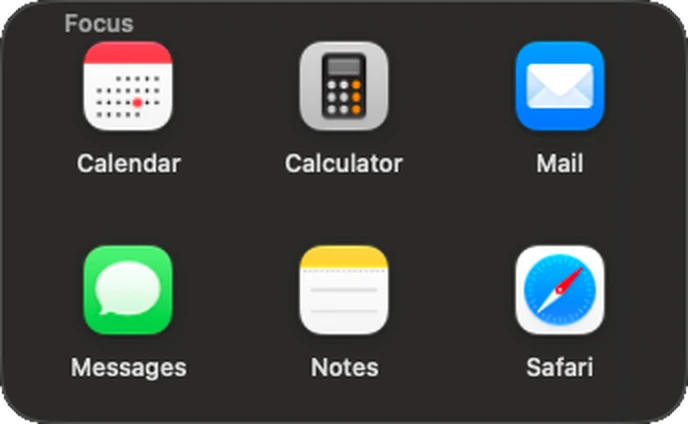
Every tile carries a label naming the item and its kind, and it stays when you hide the visible names. Turning labels off for a cleaner deck does not make the deck silent.
 TilesDeck
Support
TilesDeck
Support
Coming to the Mac App Store
TilesDeck keeps the apps, files and folders you actually open in decks that sit on your desktop. One for everyday, one for the project you are on, one for a client. No typing, no digging, no window to close afterwards.
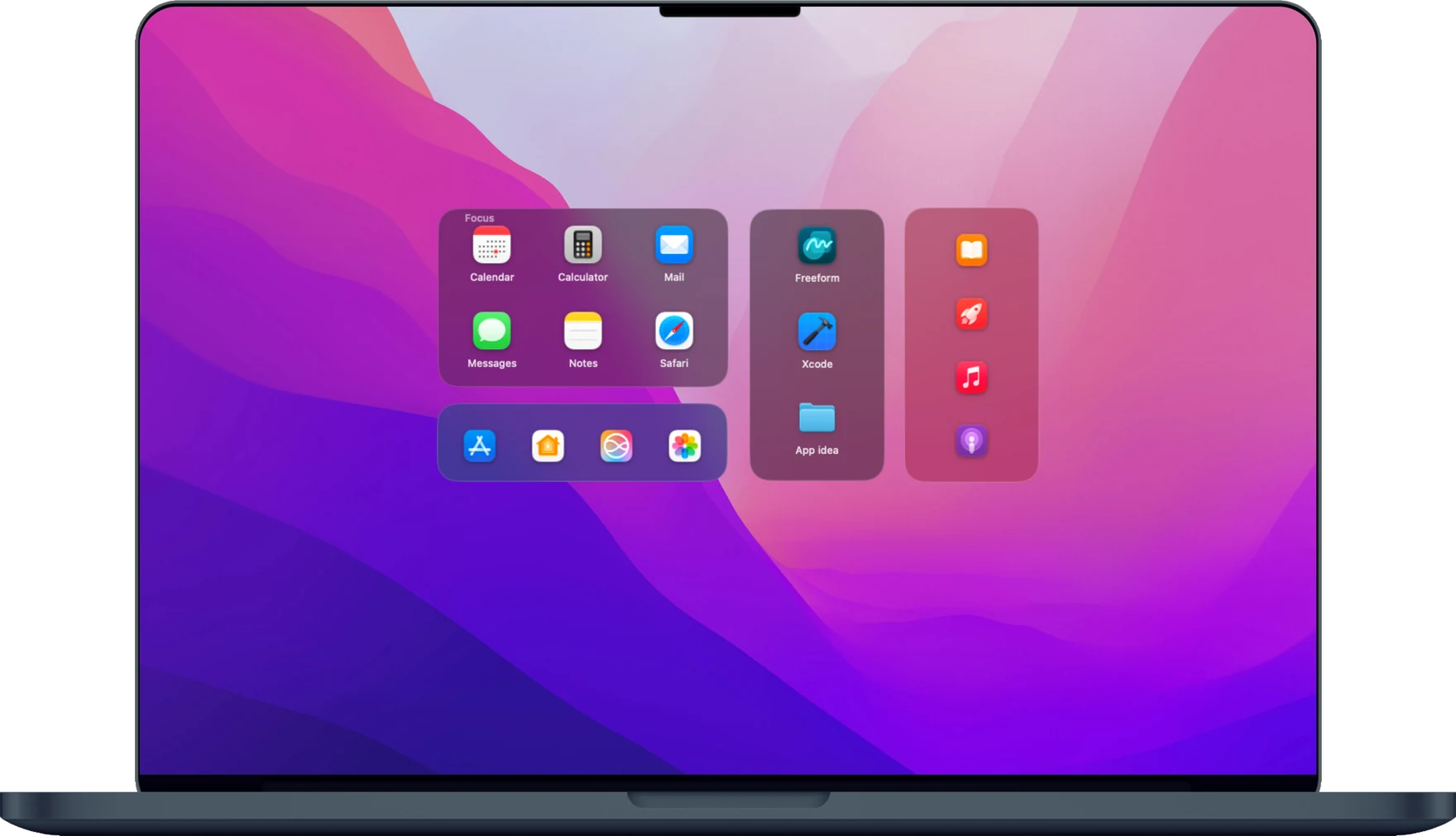
One deck per part of your day
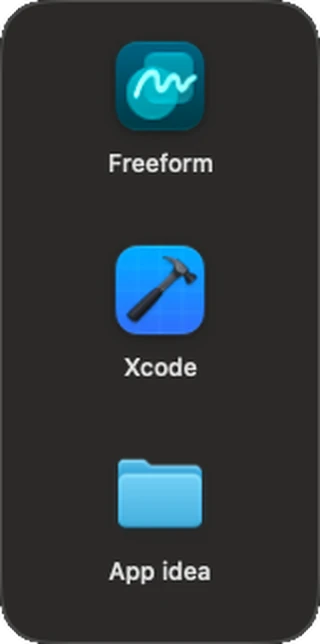
Applications, files and folders sit side by side in the same deck. Drag them in from Finder or pick them with the native macOS panel, and each deck keeps its own title, colour, tile size, spacing, position and screen across every restart.


Appearance
The appearance panel opens from the deck itself, and everything in it is live: you move a slider and the deck on your desktop changes while you watch, not after you confirm.
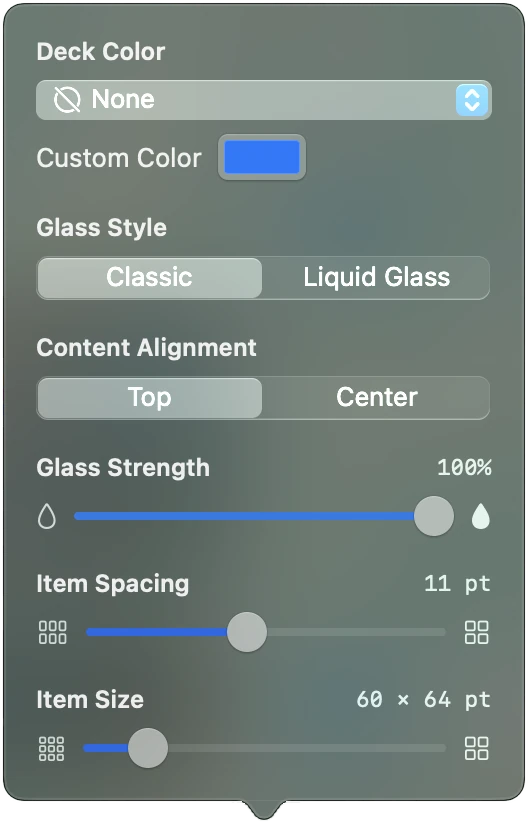
Reachable
A deck of large targets that never move is an accessibility feature before it is a convenience, so the parts that make it usable are not extras.
Every tile carries a label naming the item and its kind, and it stays when you hide the visible names. Turning labels off for a cleaner deck does not make the deck silent.
The hover magnification is an animation, so the system setting switches it off. The deck still responds; it simply stops moving.
Tiles go up to 220 by 210 pt with up to 120 pt between them, far larger than a Dock icon, and a deck never shrinks below 160 by 64 pt.
English, French, German, Dutch, Spanish, Japanese and Simplified Chinese, across menus, Settings, the tutorial, dialogs, and the accessibility labels themselves.
Privacy
The reason this page has no "sign up" button is that the app has nowhere to send you.
Version 1.0 has no account, no advertising, no crash upload and no product analytics. There is no Appro server for it to talk to.
A deck holds macOS security-scoped bookmarks and preferences, on your Mac. The app never reads what is inside the things you point it at.
The Mac App Store build talks to StoreKit, for the unlock and nothing else. No card number and no billing address ever reaches us.
Price
FreeUp to four decks
Everything the app does, on four decks. No trial clock, no reminder, no feature held back for later.
0,99 €Once, for more decks
A single purchase that lifts the four-deck limit. It belongs to your Apple Account, so Restore brings it back on your next Mac.
macOS 14 Sonoma or later, Apple silicon and Intel. TilesDeck is being submitted to the Mac App Store, and the download button appears here once it is approved.